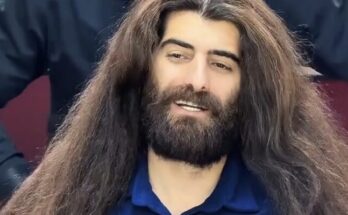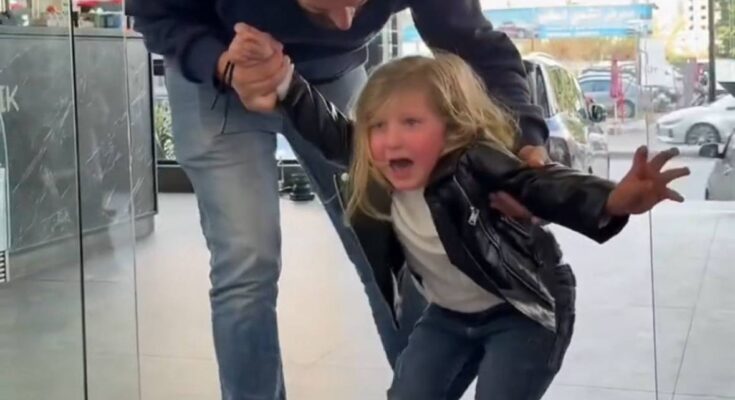
At first, anxiety shows on their face—an unfamiliar environment, noises, tools, and the pressure of sitting in front of the mirror. The little one tries to resist, turns away, holds the parent’s hand, and tears fill their eyes. However, this is where the true skill of the hairdresser begins. They do not rush or try to proceed with force or sudden movements. Instead, they approach very gently, with a smile and a calm voice.
They first try to connect with the child—talking, joking, showing the tools, and explaining what they are about to do. The child is allowed to touch the comb and scissors, hear the sound of the clippers, so that fear gradually decreases. After a few minutes, the tension noticeably eases.
The hairdresser distracts the child with interesting stories, shows fun movements in the mirror, and sometimes even invites them to “help” comb their hair. This sense of participation gives the little one confidence, and they start sitting more calmly. Parents watch in amazement as crying turns into curiosity. The haircut is done very carefully, without hasty movements. After every cut, the hairdresser praises the child, telling them how well they are sitting and how patient they are. These positive words have a big impact—the child feels important and appreciated. As a result, a process that could have become a real ordeal turns into a calm and even enjoyable experience. The final result is not only a beautiful haircut but also a conquered fear. The child looks in the mirror, touches their new hairstyle, and often already smiles.

Parents are left impressed by how much difference the right approach and patience can make. This scene once again shows that human interaction is just as important as professional skill. Gentleness, attention, and calm communication can transform even the most difficult situation.
 Watch the full version here